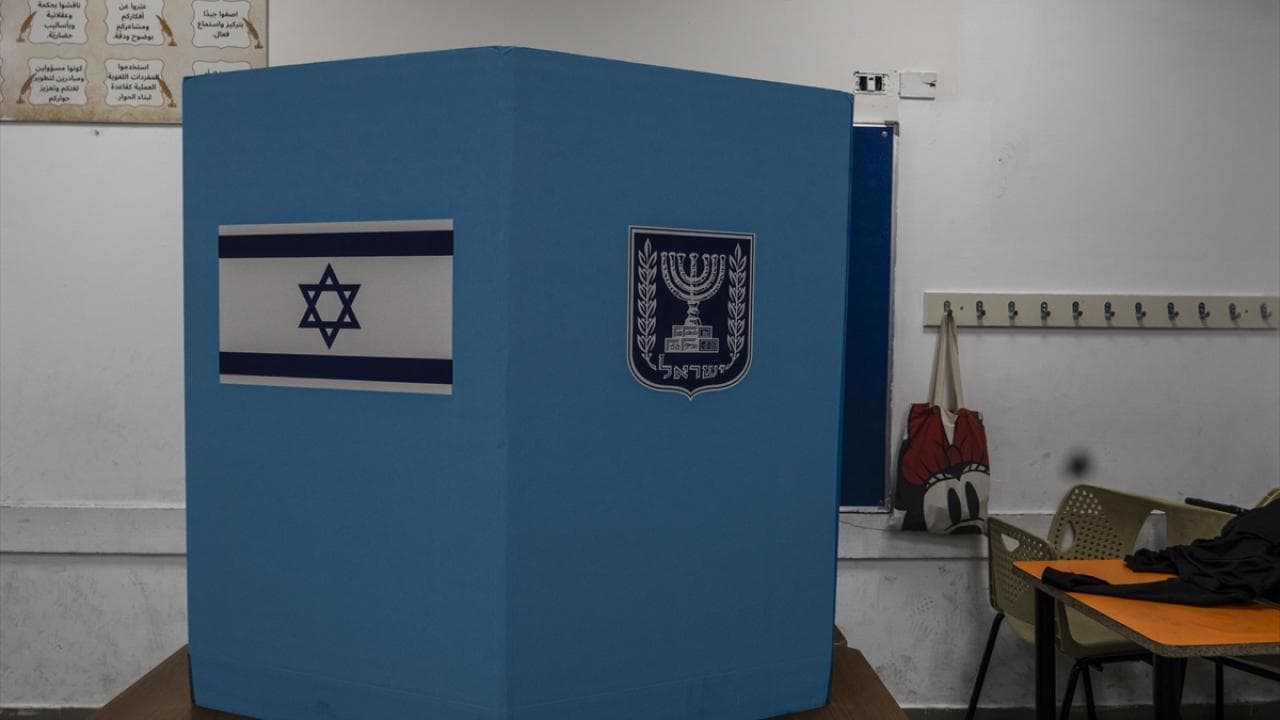
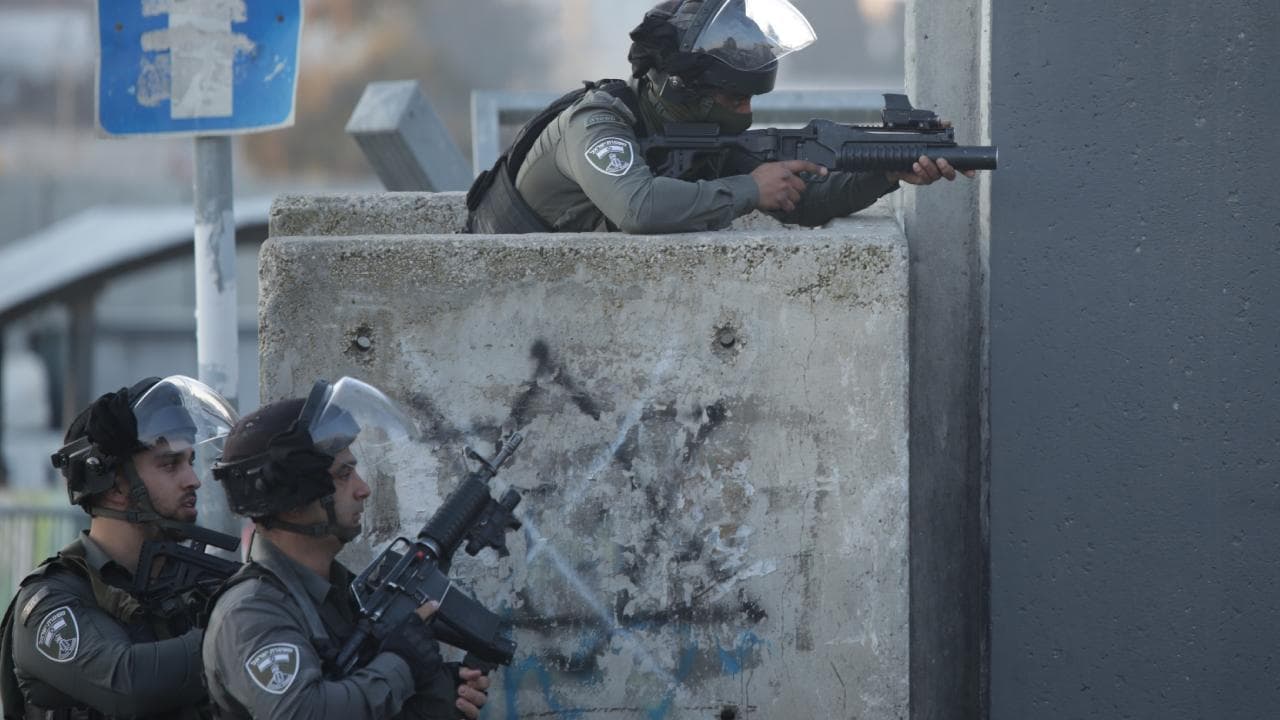
Israel election live: polls open in most consequential vote in country’s history
Özet haber: Four decades ago, when the extremist rabbi Meir Kahane won a single seat in Israel’s Knesset, other legislators passed a law to prevent him running again, left the chamber when he rose to speak and worked together to block discussion of his ethnonationalist proposals.

Four decades ago, when the extremist rabbi Meir Kahane won a single seat in Israel’s Knesset, other legislators passed a law to prevent him running again, left the chamber when he rose to speak and worked together to block discussion of his ethnonationalist proposals. These ranged from mass expulsions of Palestinians to apartheid provisions such as segregated beaches and the criminalisation of sex between Jews and gentiles. This month, Kahane’s political heirs may claim more Knesset seats in national elections than the remains of the once mighty Labor party, home of Yitzhak Rabin, Shimon Peres and Golda Meir. At an election rally this week, Israel’s national security minister, Itamar Ben-Gvir, mixed calls for ethnic cleansing and jokes about starving Palestinian prisoners with a proud anecdote about his conviction in 1998 over bumper stickers that read “Rabbi Kahane was right”.
A poll for the Israel Hayom newspaper, published on 16 October, forecast his Jewish Strength party would win
There are more than 12,000 polling station opening across the country. In Jerusalem, some voters were lined up before polls even opened at 7am, ready to cast their ballots.
Just over 7 million Jewish Israelis and 1.7 million Palestinian citizens of Israel will be voting in the elections on Tuesday.
He has been called the man who is everything that Benjamin Netanyahu, is not. Gadi Eisenkot, a former general and the main opposition candidate in Israel’s elections, is unpolished where Netanyahu is slick. To Israelis he is both menschy (decent) and schlumpy (unkempt), his crumpled appearance contrasting with Netanyahu’s hair rinse, makeup and obsessive need to control his media depiction.
In the Israeli commentator Anshel Pfeffer’s framing, he is the anti-Bibi among a roster of wanna-Bibis. And in an era of Israeli politics that has been defined by betrayals, dirty tricks and public and private smears, Eisenkot’s brand is rectitude. He only entered politics four years ago, and the name of his party – Yashar – means “straight” or “honest”.
But on key issues, an Israel under Eisenkot may not look very different, as he has been non-committal on crucial issues – including the two-state solution and Israeli settlement of the occupied West Bank. For many voters, Eisenkot’s appeal is less a
Gadi Eisenkot, Netanyahu’s main challenger in Tuesday’s elections, has already been out greeting voters at a polling station in Ofakim, in Israel’s south.
The former army chief of staff spent four decades rising through the ranks of Israel’s military. He now leads the largest opposition party – Yashar.
Ofakim was one of the communities that was attacked by Hamas on 7 October 2023. Eisenkot’s visit was likely aimed at reminding voters of the security failures ahead of that attack, and of Benjamin Netanyahu’s refusal to launch a state commission of inquiry into them.
In Jerusalem Israel is holding its first election since the 7 October 2023 Hamas attacks, the deadliest day in the country’s history, which resulted in the deaths of about 1,200 people, the majority of them civilians. Since then Israel has pursued a war of annihilation in Gaza, launched two inconclusive wars with Iran, and intensified a campaign of state-backed ethnic cleansing in the occupied West Bank.