‘I saw a picture of a two-year-old girl buried in mud. I knew we had to do something’ – This is climate breakdown
Özet haber: When the floods hit Pakistan he went out to help. Then the water reached his own family. This is Imran Lodhi’s story

When the floods hit Pakistan he went out to help. Then the water reached his own family. This is Imran Lodhi’s story
Imran Lodhi is a university lecturer with a doctorate in climate change and sustainable development. The 41-year-old was living in Dera Ghazi Khan, a city in south-western Punjab, when floods devastated provinces across Pakistan. Climate change made the monsoon rainfall that caused the floods more intense.
In 2022, I was living in an area that had less risk of flooding. I had a small child and my PhD thesis was just a few weeks away. I tried to avoid flood news on social media until I saw a picture of a two-year-old girl who was buried in mud. It was probably her last breath. She died after that. That was the turning point.
I immediately called my friends, six to seven people, in a mosque. I talked to them: “We don’t know what to do, but at least we can start from somewhere.” Initially, it was food. We hired some commercial cooks.
We planned to work only in villages close to our city. A lot of people were taking refuge in nearby high places, high enough that the water did not reach them. On the first day we went with some food to the nearest village.
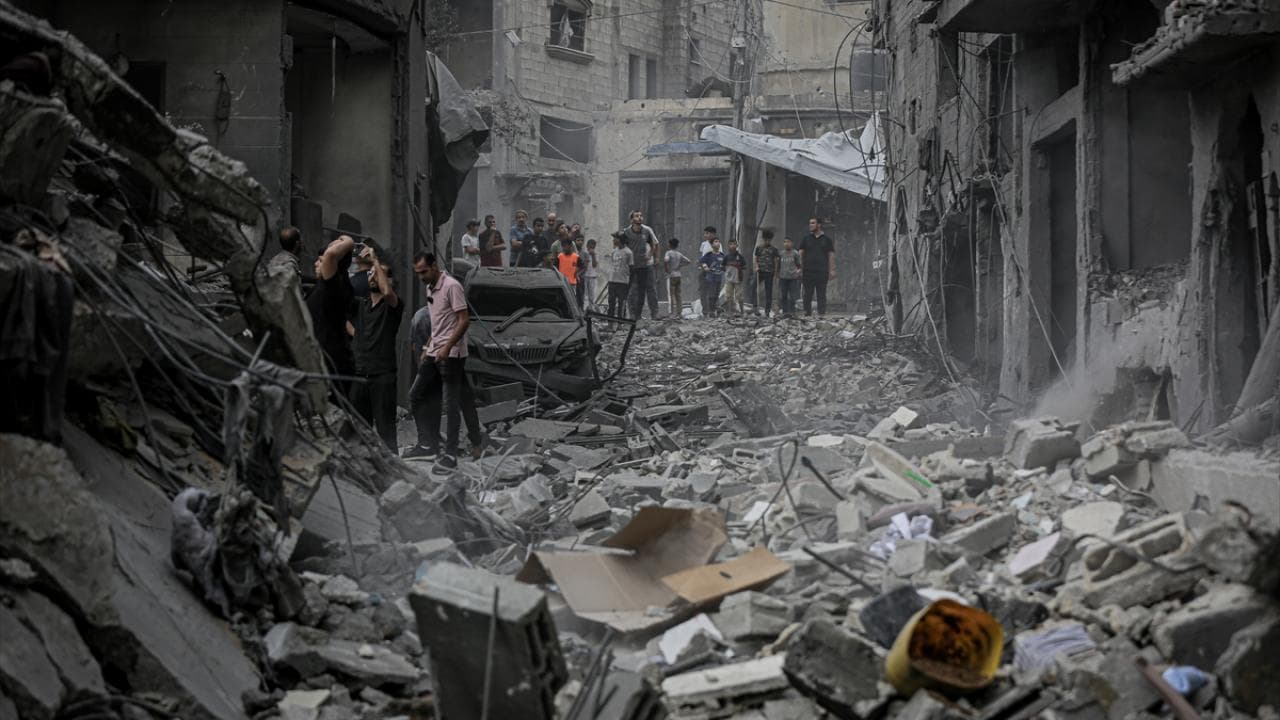
When the rain is over, the sun comes out. Usually, it’s a good sign. But, in those areas, it didn’t feel good. It felt like it opened a scar. The pain that was hiding somehow had become open. It was like being naked. I could see trolleys, tractors, vehicles and homes all drowned in the flood. There was nothing from the government, nothing from any development sector. There was no camp. People were just living under open skies.
Men felt that their women being in an open place was a kind of emotional damage for them. It was not normal for most of the people here. Many women never came out. They came out for their work, the agriculture work, but not sitting that openly among the public. Their hair was full of dust and dry mud. Their clothes had a heavy layer of dry mud; no shoes on their feet. Mothers were not breastfeeding. Babies crying for milk, and the milk was not there. Mothers trying to soothe them with fake sounds.
The cows did not have feed and were not giving milk. Many of the animals were lost, their bodies wide open, decomposed. Then the water, which stayed there for a week, started to smell very bad. There was no good smell.
We prepared food in the morning. Then we prepared food at lunchtime. We generally finished distributing food around 8pm. One night it was 11pm and we thought some people might not have food. So we just cooked some food late at night and went to every camp.
One old woman started to laugh. I was surprised. I asked her: “It’s OK, we have food, but why are you laughing?” And she said: “I was just complaining, ‘Lord, that you left me with an empty stomach today.’ And suddenly you appeared.”
It was a very strange experience for her. For us also. People, when they are in tough conditions, are attached to their beliefs. And, when things like that come up, they establish a spiritual connection with the people who are helping out.