Pope has called Putin to request supplies and evacuation for occupied city of Oleshky – Europe live
Özet haber: More leaders are now (finally) leaving the room, so hopefully not long now before we get that closing press conference with von der Leyen and Costa.
More leaders are now (finally) leaving the room, so hopefully not long now before we get that closing press conference with von der Leyen and Costa.
For what it’s worth, the Kremlin says that Vladimir Putin supported Pope Leo’s initiative. “The Vatican’s intention to help create the conditions necessary to ensure the safety of the town’s population and to organise vital supplies has been supported,” the Kremlin said in a statement. “It has been agreed to cooperate on this matter.”
But it stressed that Putin “offered a comprehensive explanation of the Kyiv regime’s responsibility for the difficult humanitarian situation there.” Let’s see if they follow through on this.
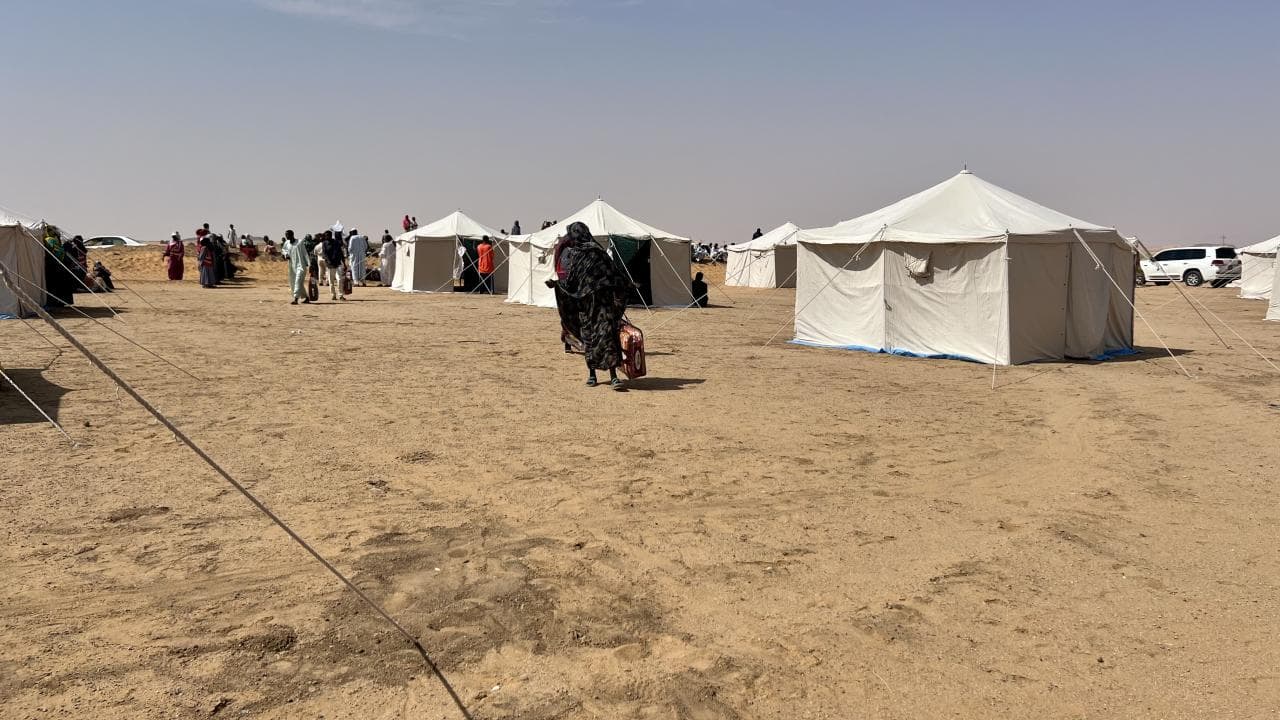
Oh, that came out of nowhere?! The Vatican says Pope Leo – still in hospital after his lung surgery earlier this week – spoke with Russian president Vladimir Putin this afternoon, expressing his grave concern for the humanitarian situation in the occupied city of Oleshky.
He asked Putin to allow entry of first aid and food supplies and to permit a voluntary evacuation of the civil population in the town.
The full statement reads: “Today, His Holiness Pope Leo XIV spoke by telephone with His Excellency Mr Vladimir Rutin, President of the Russian Federation. During the conversation, the Holy Father expressed his deep concern shout the grave humanitarian situation in the city of Oleshky, in the Kherson region, and called for a ceasefire to allow the delivery of food and medical assistance, and the voluntary and safe evacuation of the civilian population. Finally, the Holy Father reaffirmed the Holy See’s commitment to promoting dialogue and peace. “
EU’s von der Leyen and Costa are also expected to brief the media about today’s talks at some point… Let’s see.
Finally, Merz gets another question on the next EU budget and competing interests, claims and demands from various countries, including from Marine le Pen, who leads the polls ahead of next year’s presidential elections in France.
Merz says it has been a good practice to agree the financial deal “roughly a year before” it kicks in, and says this time is needed to prepare its implementation at the technical level – more so than political discussions linked to various elections. Aaaand with that, he’s gone. He is off to Bonn next I think, where he is expected to attend a big meeting of the youth arm of his CDU party as he continues to face domestic criticism over his style of governance.
Merz gets asked if he had any words of advice for Zelenskyy. He says he wouldn’t offer any advice publicly as the two talk regularly to each other. He says he is aware that the Americans have other interests as well, but the Russian invasion on Ukraine is “an assault on the political order across all of Europe.”
He also takes note of Russia’s own actions to place European companies in Russia under state-mandated administration, and says the government will examine these cases closely. But he says the leaders also discuss a further restrictions on “a very large number of visas still being issued to Russian citizens travelling to the EU.”
“There is certainly room for us to restrict this type of travel … If Russia chooses to respond, we will be ready with a reply,” he says. He also gets a question on migration, and he says this discussion is still ongoing – but reveals that other leaders, including the Greek PM, noted “enormous progress” made in recent years. Back to the question of furth
Merz gets asked about the fallout between Zelenskyy and Trump, and what can be done about it. He says he is in regular contact with Trump by phone, and will see him in person “by December at the latest.” But focuses on saying that he sees “no willingness on the Russian side to end this war,” with all indications actually going in the opposite direction as “the escalation continues.”
“Against this backdrop, I believe it is appropriate, logical, and understandable for Ukraine to strike targets within Russia that hinder the war effort of the Russian government and the Russian army – including both communication and energy supply systems.” He says that’s “the only means Ukraine has to signal to Russia that it is prepared to defend itself.”
Germany’s Merz gets asked about the discussion with Zelenskyy and his request for more money for Ukraine. He says it was more of a discussion with no formal decisions, but says “we are all very concerned about the situation in Ukraine.”
He says there is “a broad consensus” to keep supporting Ukraine “through the winter and into the coming year,” with the commission “assessing the financial requirements,” acknowledging the €90bn loan from last year may not be enough. He says further discussions on this are expected in November and December.
German chancellor Friedrich Merz is the first national leader to leave the room, and he’s now briefing reporters on today’s talks.
He begins by saying the talks are “not quite finished yet,” but gives a bit of a readout from the discussions. He says the leaders discussed the issue dear to his heart, namely how to improve the bloc’s competitiveness, and agreed that “only an economically strong and sovereign Europe can hold its own in today’s world.” He says the leaders will meet to discuss in again in early February. He also says there was “unanimous, unequivocal” support for a proposal put forward by Macron and Merz on trade policy, with a new instrument to “allow for rapid response” to any imbalances (as covered on the blog on Wednesday). On the EU budget, he says there are “significant differences” in how countries look at this issue, as “a smaller group” calls for the budget to be reduced, and “a larger group” want it to be expanded further. “We are all facing the need for substanti
in Brussels EU leaders have finished their talks on Ukraine and hybrid threats in Europe in the last half hour, according to an EU source. They now move to the topic of migration, where sudden influx of arrivals in Ceuta is likely to be in focus.
Kaynak: The Guardian · Özgün metin İngilizcedir.