US voters share why they cast their ballots – from frustration with Trump to affordability concerns
Özet haber: ‘It’s the disregard for the rule of law. It just seems like they’re thumbing their nose at it’

‘It’s the disregard for the rule of law. It just seems like they’re thumbing their nose at it’
In the battleground state of Maine, Todd Cox, 63, has supported the state’s incumbent Republican senator Susan Collins not once, but twice, in previous elections. Not this time.
On Tuesday, Cox, a technology professional, cast his vote for Collins’ Democratic challenger Troy Jackson – driven not by pressing local issues, but broader concern “for the direction the country is going in”, he said.
“We definitely haven’t become kinder and gentler under this administration,” Cox said. “There’s a lot of bullying that goes on. It goes back to affordability. It’s the war in Iran – that shouldn’t be happening. It’s the disregard for the rule of law. It just seems like they’re thumbing their nose at it.”
As millions lined up to cast their ballots nationwide, the question looming over Tuesday’s US midterm elections – with control of US Congress and key checks and balances on Donald Trump at stake – was just how many Americans felt the same way.
There were signs of high turnout in this election, with 435 seats in the House of Representatives, 35 of 100 seats in the Senate, 39 governorships and thousands of state legislative seats up for grabs, as well as many local contests and ballot measures on issues including taxes, abortion rights and voting rules.
To win control of the US Senate in Washington, Democrats must flip four Republican-held seats and retain all of those currently held by the party. They meanwhile need a net gain of just three seats to obtain a majority in the House.
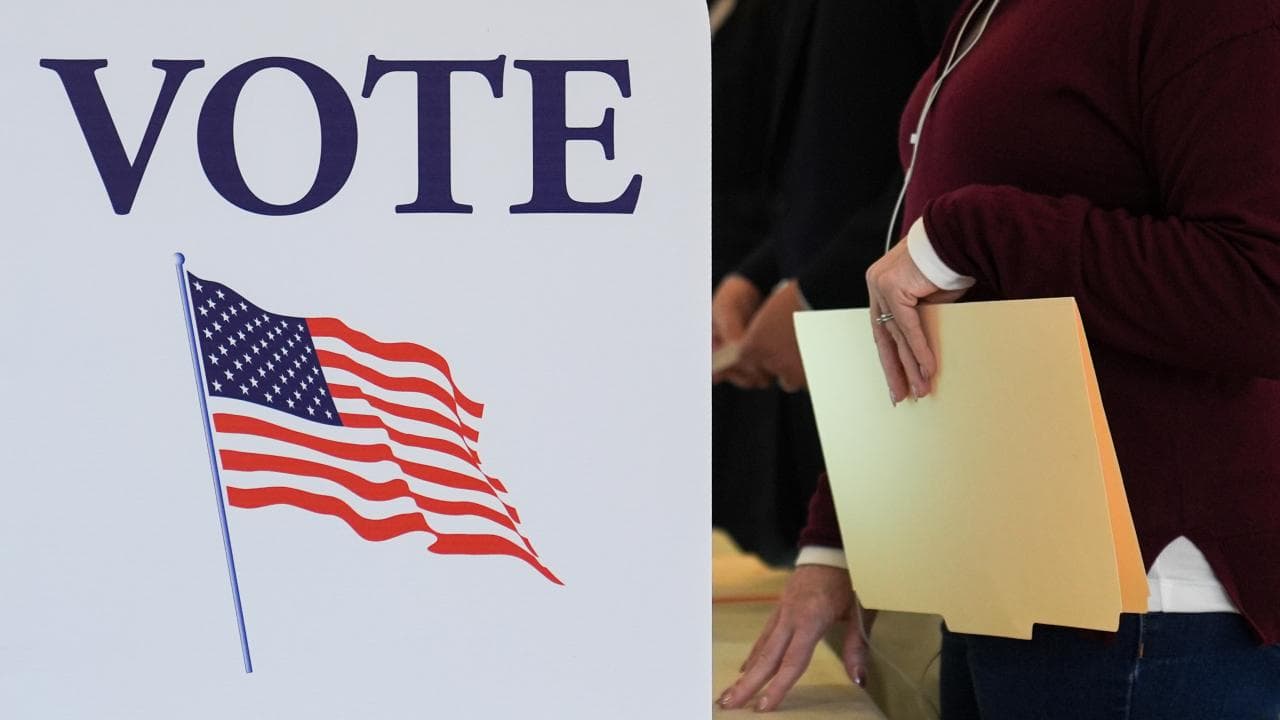
In interviews with the Guardian across the country, voters cited affordability concerns, Trump’s war on Iran and his administration’s aggressive crackdown on immigration as among the key issues that had driven them to cast their votes. Lines formed outside polling stations in key states including Texas and Maine.
In Maine, a steady stream of voters entered the Merrill auditorium polling station in Portland’s busy downtown district in mid-morning, leading to queues of up to half an hour to cast a ballot, according to organizers.
“I’m concerned about ICE raids that have been happening here in Portland,” said Maple Razsa, 55, a global studies professor at Colby College in Waterville. “The political system is just run amok at this point.”
There was still robust support for Trump’s party, however. “I voted straight Republican,” said a 63-year-man in Maine, who declined to give his name. “I don’t know much about the issues, but I’m not ready to throw away Israel yet. I don’t really see the war in Iran as a real war. What have we lost? Dozens. We lose hundreds and thousands in these wars and if they have a nuclear bomb, we’re going to have a nuclear war anyway.”
In Georgia, where heated races for the Senate and governor are playing out, David Boy, an attorney from Johns Creek, voted for Republicans yesterday despite his staunch antipathy for the president. “I don’t like Trump. I’ve never voted for him,” he said. “I want to go to my deathbed saying I never did.”